Wynwood’s office market has officially graduated from novelty to a legitimate, high-performance submarket, yet this maturation is simultaneously its greatest strength and its most acute vulnerability. What began as a raw, art-driven district attracting startups and gallery spaces has now solidified into a Class A office destination, commanding rents that challenge established downtown corridors and reshaping its tenant profile from nascent creators to established corporate entities. The question for investors and operators isn't if Wynwood can compete, but at what cost to the very essence that made it desirable.
The Great Rent Compression: A Double-Edged Sword
Average asking rents for Class A product in Wynwood are consistently landing between $65 and $80 per square foot triple net (NNN) as of Q3 2026, with some premium spaces exceeding $85 PSF NNN. This places it firmly within competitive range of secondary Class A assets in Brickell and some of the newer builds in Downtown Miami, a stark departure from a decade ago. Developments like The Gateway at Wynwood, 545 Wyn, and The Dorsey have set a new benchmark for quality, amenities, and lease terms, increasingly pushing for 7-10 year commitments from well-capitalized tenants.
While the overall Miami-Dade office vacancy rate hovers around 15% (depending on submarket and class), prime Wynwood product boasts significantly tighter figures, often below 10%. This supply-demand dynamic, coupled with a flight to quality and 'cool' post-pandemic, has fueled rapid rent appreciation. The unintended consequence, however, is the increasing difficulty for the smaller, truly creative agencies and local businesses – those that initially defined Wynwood’s unique character – to find affordable space, potentially forcing them into less amenitized areas like Little River or parts of Little Havana.
Tenant Evolution: From Art Studios to Boutique Finance
The tenant roster in Wynwood has undergone a profound transformation. Early adopters included local tech startups, advertising agencies, and design firms operating in converted warehouses. Today, the new Class A towers are attracting a diverse mix: architectural and engineering firms, sophisticated marketing and media companies, boutique financial services, and even regional offices for national corporations drawn to the submarket's vibrant lifestyle and talent-attraction potential. The appeal isn't just the modern office space; it's the curated experience outside the office – the walkability, the dining, the art, and the perceived energy.
This shift reflects a broader trend where companies prioritize environments that enhance employee well-being and recruitment efforts. Wynwood offers an urban campus feel, distinct from the traditional downtown grid. However, for a submarket built on a foundation of independent artists and entrepreneurs, the influx of larger, more corporate tenants creates a palpable tension. Will the authentic creative energy be diluted as institutional capital and corporate demand dictate the pace of development and pricing?
The 'Creative Economy' Under Corporate Scrutiny
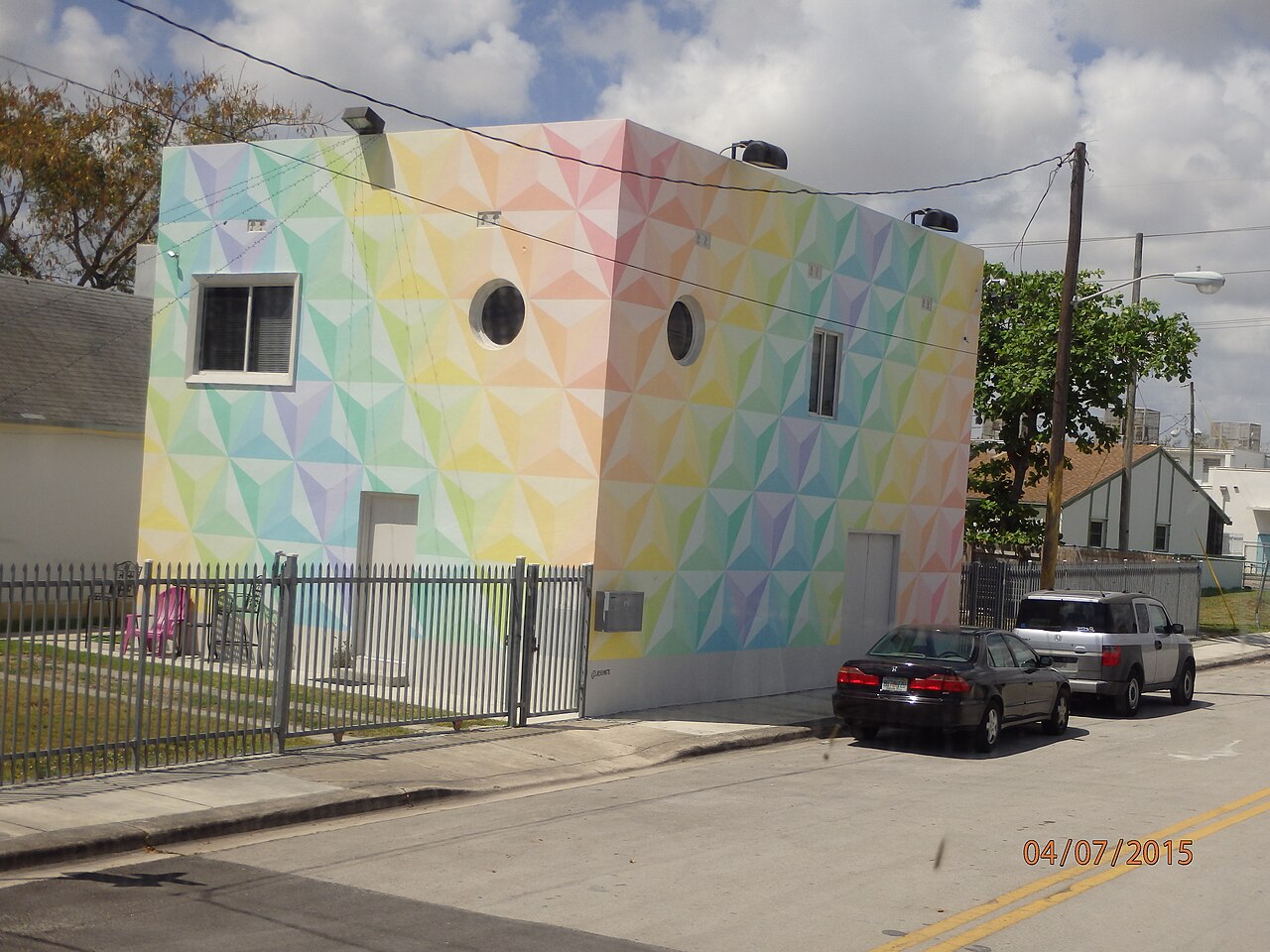
Wynwood's identity has always been intertwined with its 'creative economy' – a dynamic ecosystem of artists, designers, small businesses, and innovators. As office rents skyrocket and the neighborhood matures, this core identity is under increasing pressure. Developers and landlords are acutely aware of the need to maintain Wynwood's unique aesthetic, integrating public art, pedestrian-friendly designs, and diverse retail into their projects. This isn't just altruism; it's a key value-add that justifies the premium rents.
The challenge lies in avoiding a superficial veneer of creativity. The concern is that Wynwood could become a well-curated corporate park with murals, rather than an organic hub of genuine innovation. The market's long-term health depends on its ability to strike a delicate balance: continuing to attract blue-chip tenants and capital while retaining spaces and opportunities for the smaller, more agile businesses that contribute to its soul. This requires creative leasing strategies, flexible space offerings, and a sustained commitment from stakeholders to support the arts and small enterprises that underpin the 'Wynwood brand.'
Wynwood's office market is no longer an emerging story; it's a mature, high-value asset class within Miami-Dade. Its continued trajectory will be defined by how successfully it navigates the inherent tension between maximizing returns for investors and preserving the unique cultural and entrepreneurial spirit that fueled its meteoric rise. Operators must look beyond the immediate rent roll and consider the ecosystem's resilience, ensuring that the 'cool' factor remains authentic and accessible, rather than becoming an exclusive commodity.