Downtown Miami's Revival: Flagler Street to the River District
A decade-long effort to revitalize Miami's original commercial spine is finally gaining real momentum — retail, hospitality, food halls, and public space investment all converging simultaneously.
The Long Road Back for Flagler
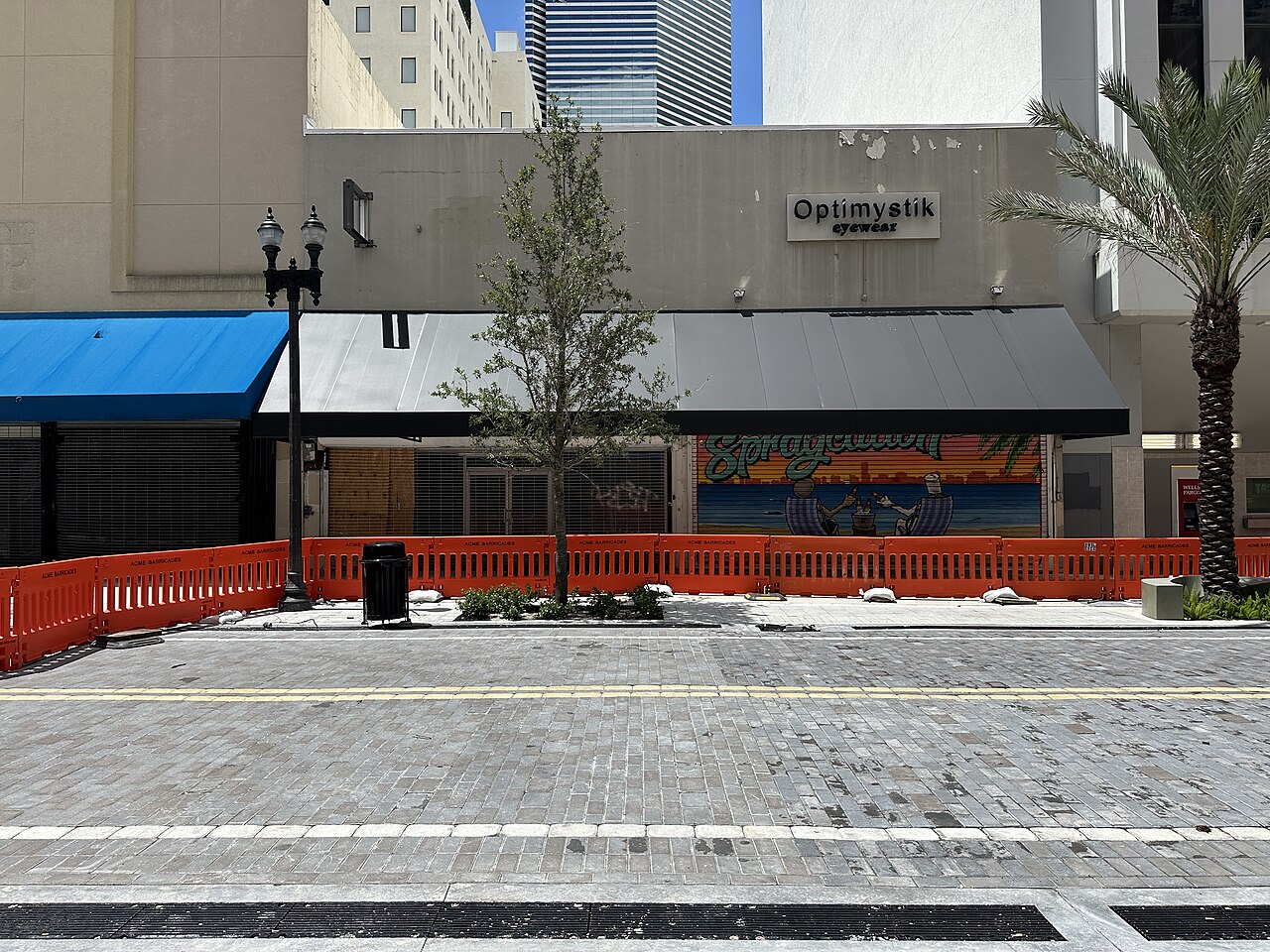
Flagler Street was once Miami's main street — the commercial artery where the city did its business, banking, and shopping. Decades of suburban sprawl and the rise of Brickell as Miami's prestige address left Flagler hollowed out. Discount retailers, vacant storefronts, and city government functions were the remaining anchors. The street became a symbol of downtown's struggle to remain relevant.
The turnaround began quietly. The Downtown Development Authority invested in street improvements — better lighting, wider sidewalks, planters that softened the concrete. Miami Dade College's Wolfson Campus expanded its arts programming and began drawing foot traffic that had nothing to do with shopping. And the residential population in the immediate downtown core started growing, driven by younger renters who wanted walkability over square footage.
The River District as Catalyst
The Miami River District — the stretch of NW/SW river corridor between Brickell and the airport — has emerged as the city's most interesting development frontier. The combination of waterfront access, proximity to the financial district, lower land costs than Brickell, and the cultural character of adjacent Little Havana has attracted a mix of food and beverage concepts, boutique hotels, and residential developers unusual in its diversity.
The Wharf Miami and a cluster of independently operated restaurants along the river's north and south banks have created an evening destination that draws from across the metro. Commercial observers have started tracking the River District as a separate submarket — a sign it has achieved enough critical mass to behave independently of broader downtown dynamics.
What's Still Missing
Honesty about what downtown Miami still needs is as important as celebrating what's working. A grocery store that doesn't require a car remains absent from the immediate downtown core. The residential density needed to support a full-service retail ecosystem is 3–5 years from completion. And the pedestrian experience along many blocks remains challenging during summer heat. The trajectory is clear. Downtown Miami in 2026 is a more complete city than it was in 2016. The question is whether momentum sustains through the next real estate cycle.
