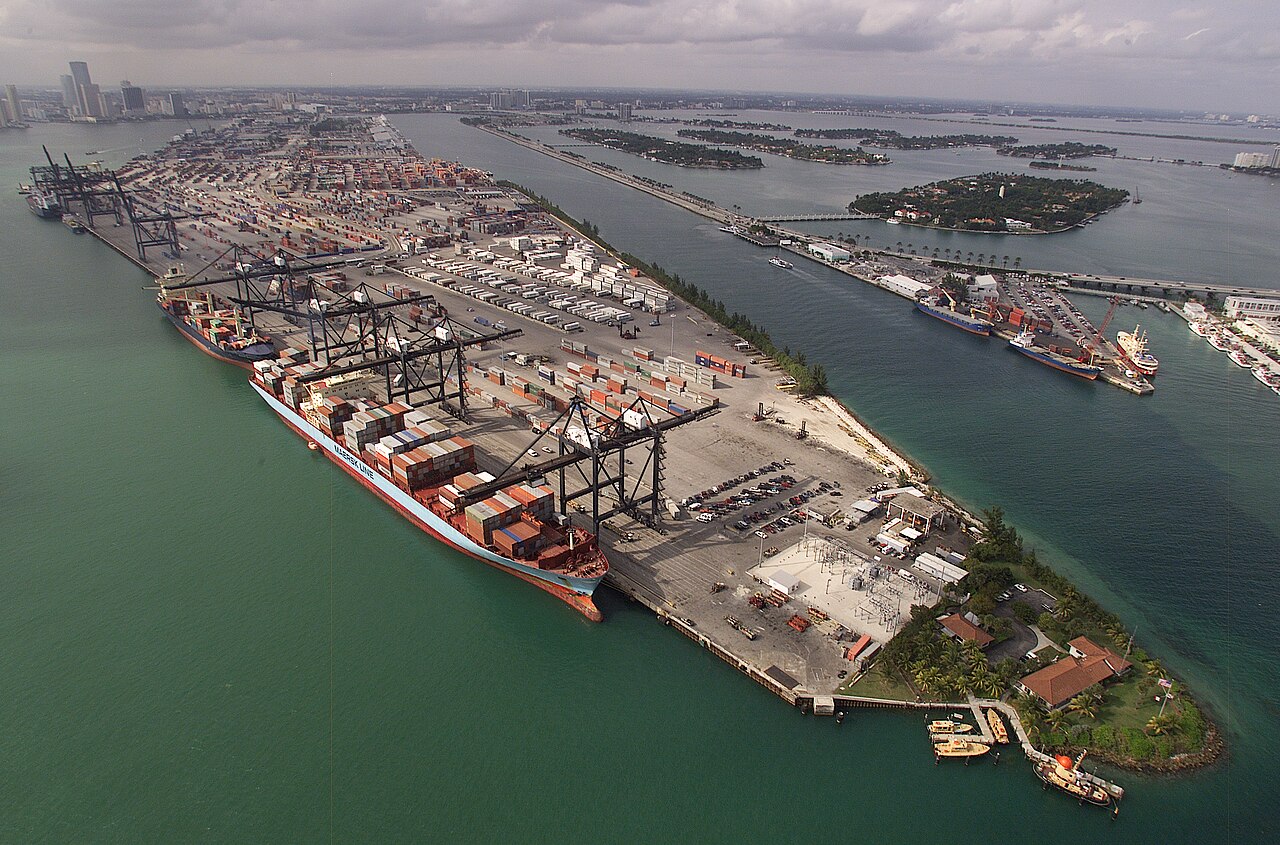
While the headlines often fixate on Brickell's latest towering residential project or Wynwood's ever-shifting retail landscape, a quieter, more fundamental shift has been underway at Port Miami, one that underpins far more of our local economy than most realize. We tend to think of the port as the departure point for Caribbean cruises, a backdrop to a scenic drive, but its true economic engine hums with the relentless rhythm of container ships and super-sized cranes.
For years, Port Everglades in Fort Lauderdale held the crown as the state’s busiest container port. Miami, meanwhile, was focused on its cruise ship dominance. That dynamic is changing, and quickly. Importers, particularly those with an eye on Latin America and the Caribbean, are increasingly looking south to Miami as their preferred gateway to the U.S. market. This isn't just anecdotal; the numbers, when you dig into them, tell a clear story of strategic investment paying dividends.
Beyond the Cruise Ship Terminal
Forget your usual mental image of the port, all sun-drenched cruise ship decks and duty-free champagne. The real action involves steel containers stacked higher than your South Beach condo, moving goods from São Paulo to Seattle, from Beijing to Belle Meade. A decade ago, Miami invested over $1 billion into dredging its channel to a depth of 50 feet and installing new Super Post-Panamax gantry cranes capable of handling the largest cargo vessels in the world. These weren't vanity projects; they were hard-nosed infrastructure plays aimed squarely at the global supply chain.
The Port Miami Tunnel, opened in 2014, was another piece of the puzzle, diverting thousands of trucks off downtown streets and directly to I-395 and I-95. It was a quality-of-life win for residents, certainly, but more importantly, it was a logistical game-changer for businesses. Truckers no longer had to navigate city traffic, cutting precious hours off transit times from the port to distribution centers in places like Doral or Medley. Time is money, especially when you're moving millions of dollars in inventory.
The South Florida Logistics Advantage
So, why are importers—from apparel brands to electronics manufacturers—now making Miami their primary point of entry? It boils down to a confluence of factors, many of them deeply rooted in our city’s unique position. First, the direct access to Latin America is unparalleled. Companies that source or distribute heavily across the hemisphere find Miami offers shorter transit times and a more robust network of shipping lines compared to ports further north. There’s a natural synergy here, one that bypasses convoluted routes through the Gulf or up the East Coast. We’ve always been a hub for Latin American capital and culture; now we're a hub for their goods.
Second, the sheer availability of modern logistics real estate, despite rising prices, remains attractive. While warehouse space in core areas like Doral or around Miami International Airport can command rents upwards of $18-20 per square foot, the proximity to the port and the airport makes it viable. Developers like Prologis and Bridge Industrial continue to build out massive distribution centers in areas stretching west towards Sweetwater and north into Opa-locka, anticipating this sustained demand. These aren’t just generic boxes; they’re high-cube, cross-dock facilities designed for maximum throughput, capable of handling everything from frozen goods to high-value electronics.
Finally, there's the human capital. Miami has a multilingual workforce deeply familiar with international trade practices and customs regulations across dozens of countries. Navigating the intricacies of importing goods from Bogota or Buenos Aires is simply easier when your entire local ecosystem is geared towards it. That’s a competitive advantage you can’t easily replicate elsewhere.
What This Means for the Local Economy
This pivot towards a cargo-centric port isn't just about big ships and bigger warehouses; it has tangible ripples throughout the local economy. It means more stable, blue-collar jobs in logistics, transportation, and warehousing. It means a more diversified economic base, less reliant on the volatile swings of tourism or the frothy real estate market. These are the jobs that support families and contribute to a more resilient Miami.
Next time you’re stuck in traffic on the Dolphin Expressway, glancing over at the endless stretch of industrial parks near MIA, remember that those buildings are more than just concrete structures. They’re the physical manifestation of Miami’s quiet transformation into a global trade artery, a serious player in the world of international logistics. It’s a side of Miami that may not grace magazine covers, but it’s arguably one of its most important.