The Brightline Effect: How Miami Rail is Reshaping Downtown Commerce
The high-speed rail connection linking Miami to Fort Lauderdale, West Palm Beach, and Orlando is doing more than moving passengers — it's fundamentally changing how businesses think about South Florida real estate and labor markets.
A New Development Gravity
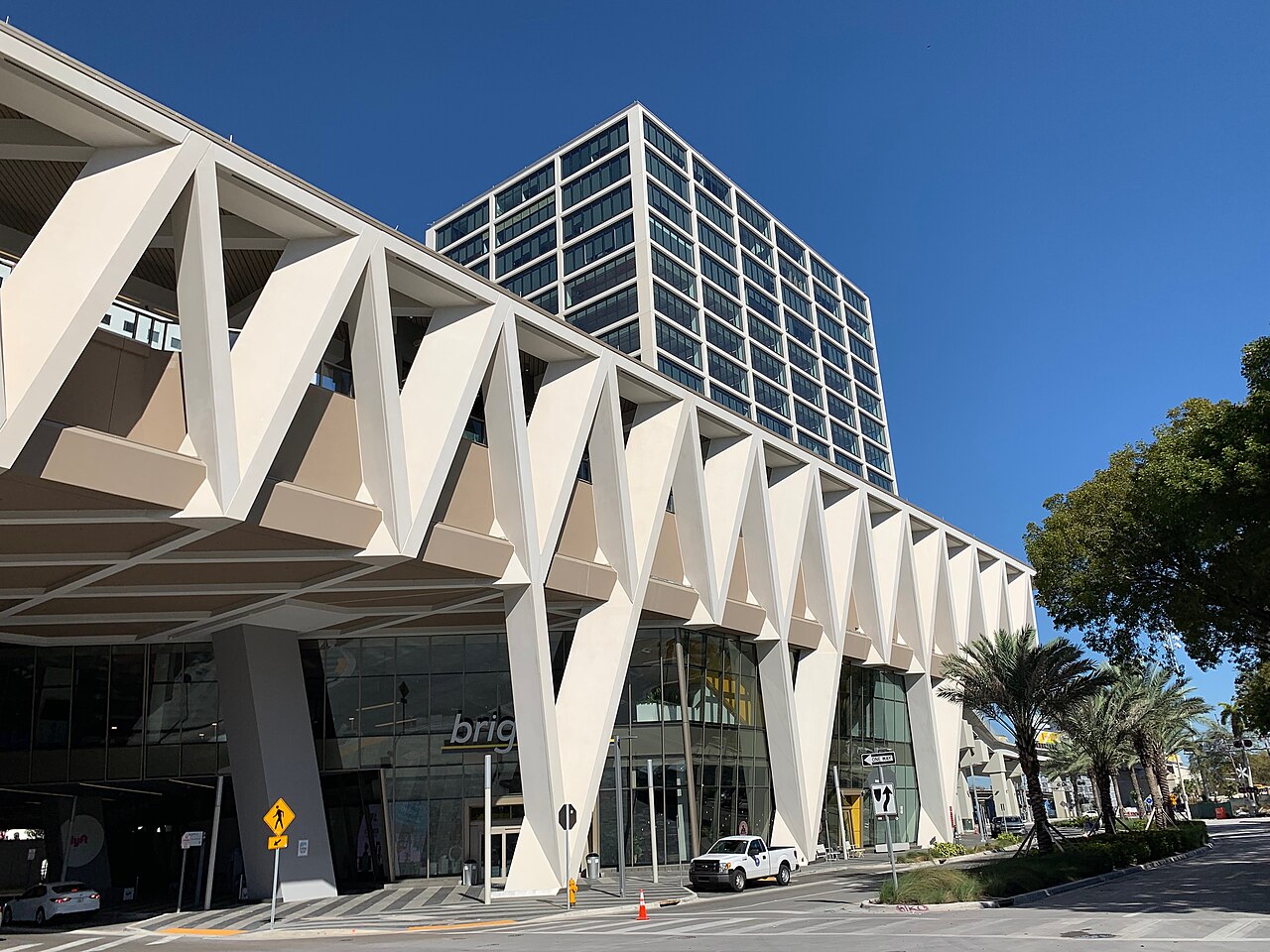
Within a half-mile radius of Brightline's MiamiCentral terminal, commercial asking rents have increased 18% since service expanded northward. The transit hub at NW 1st Avenue has become the center of a new development gravity — attracting hotel brands, co-working operators, and food hall concepts that previously would have gravitated toward Brickell or South Beach.
The numbers are stark. MiamiCentral's mixed-use complex — which houses the station alongside offices, apartments, and retail — was an early bet that transit-oriented development could work in a city famously built around the car. That bet is paying off. Over 1.2 million square feet of new commercial space is either under construction or in planning within a 10-minute walk of the terminal.
The Orlando Factor
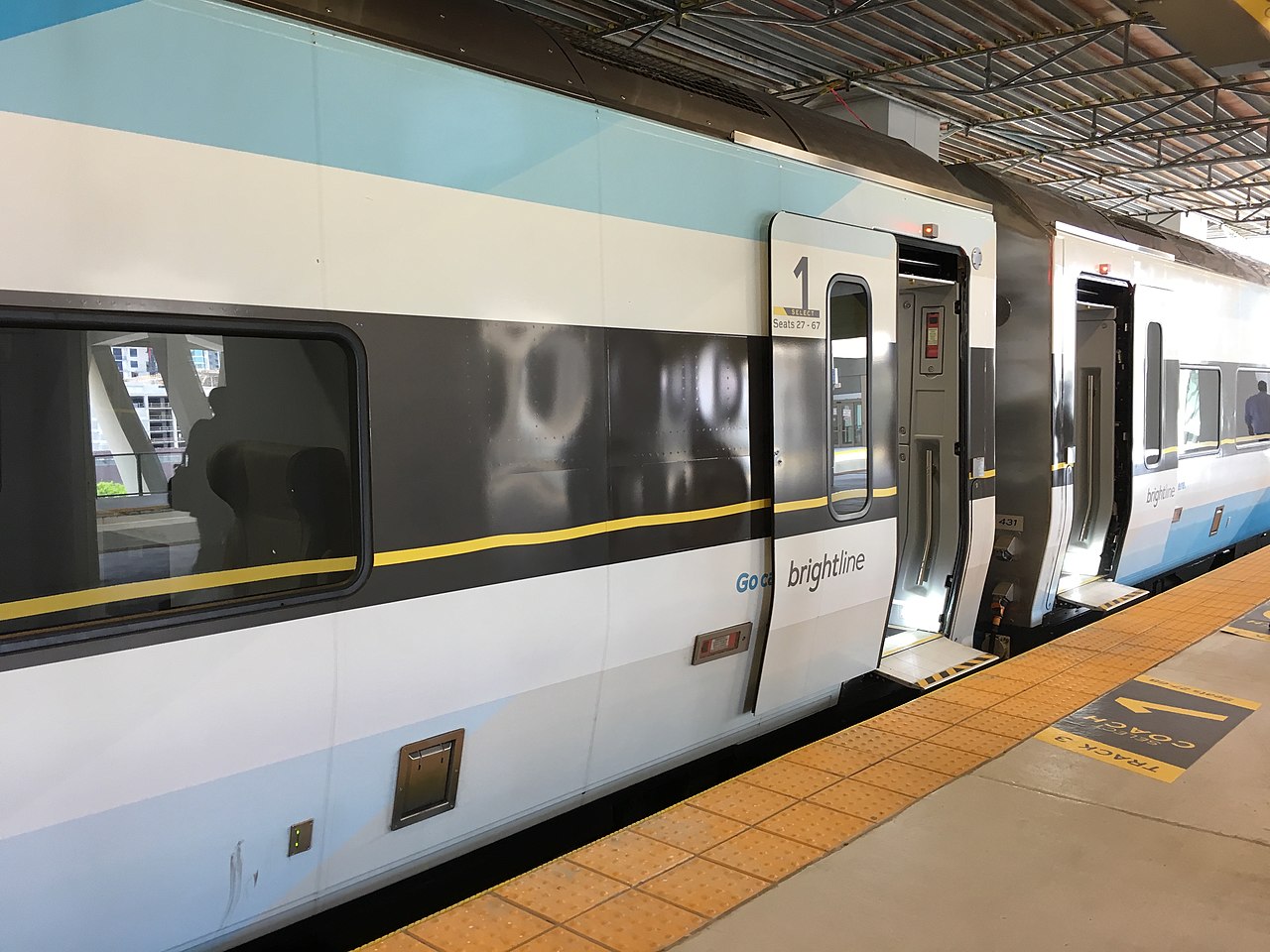
When Brightline extended service to Orlando International Airport in 2023, something shifted in the regional business calculus. Executives who previously kept separate Miami and Orlando operations began exploring whether a single team could serve both markets with a 3-hour train ride instead of a flight. Corporate travel costs dropped. Recruitment pools expanded. The Miami–Orlando corridor began to function, economically, like a single metro area.
That dynamic is accelerating. Commercial real estate brokers in both cities report a growing class of tenants making location decisions based on Brightline proximity. Industrial and logistics operators have taken note: distribution facilities along the FEC corridor now command a premium.
What Comes Next
The announced extension to Tampa would create a 4-city megaregion. Analysts project that South Florida's commercial real estate market would expand its effective labor catchment area by 40% with Tampa connectivity. For Miami's hospitality sector — already running near capacity for conventions — a Tampa connection would open a new overflow market for large events that currently bypass the city.
Brightline didn't cause Miami's revival. But it has become the clearest symbol of a city investing in infrastructure commensurate with its ambitions.