
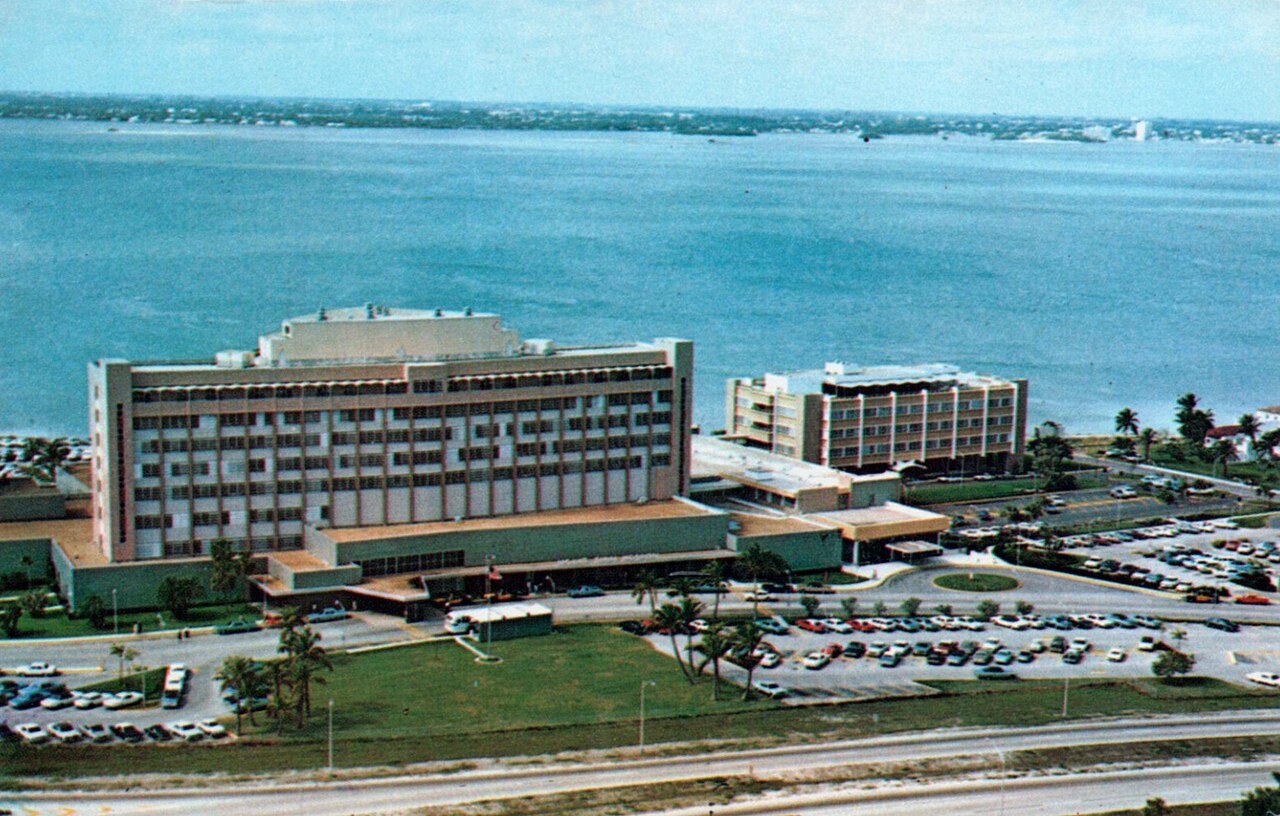
Miami's healthcare real estate sector is on the cusp of a significant transformation, driven by an aging population, advancements in medical technology, and shifting consumer preferences. As the city's traditional office market continues to evolve, medical offices are emerging as a stable and lucrative investment opportunity for developers and investors. With over 150,000 new residents expected to move to Miami-Dade County by 2025, the demand for quality healthcare services is poised to increase, driving growth in the medical office sector.
The Rise of Medical Offices
In recent years, Miami has witnessed a significant increase in the development of medical offices, with over 1 million square feet of new space added to the market in the past two years alone. This trend is driven by the growing need for specialized healthcare services, particularly in the areas of oncology, cardiology, and orthopedics. The Miami market is also attracting a significant number of healthcare providers from across the country, drawn by the city's business-friendly environment, highly skilled workforce, and proximity to Latin America.
Key Submarkets
Certain submarkets in Miami are emerging as hubs for healthcare real estate, including the Miami Health District, Coral Gables, and Aventura. The Miami Health District, home to Jackson Memorial Hospital, the University of Miami's Leonard M. Miller School of Medicine, and other prominent healthcare institutions, is experiencing a surge in demand for medical office space, with rents reaching as high as $50 per square foot. Coral Gables, with its highly educated population and strong demographics, is also attracting a significant number of healthcare providers, including pediatricians, obstetricians, and dentists.
Investment Opportunities
For investors, Miami's healthcare real estate sector offers a compelling opportunity for long-term growth and stable returns. With cap rates ranging from 6-8%, medical offices are outperforming traditional office properties, which are currently trading at cap rates of 5-6%. Additionally, the lease terms for medical offices are typically longer, ranging from 5-10 years, providing investors with a predictable income stream. As the demand for healthcare services continues to grow, investors can expect to see significant appreciation in property values, making Miami's healthcare real estate sector an attractive addition to any investment portfolio.
Conclusion
In conclusion, Miami's healthcare real estate sector is poised for significant growth and development in the coming years, driven by an aging population, advancements in medical technology, and shifting consumer preferences. As the city's traditional office market continues to evolve, medical offices are emerging as a stable and lucrative investment opportunity for developers and investors. With its highly skilled workforce, business-friendly environment, and proximity to Latin America, Miami is an ideal location for healthcare providers and investors alike, offering a unique opportunity for long-term growth and stable returns in the healthcare real estate sector.
