
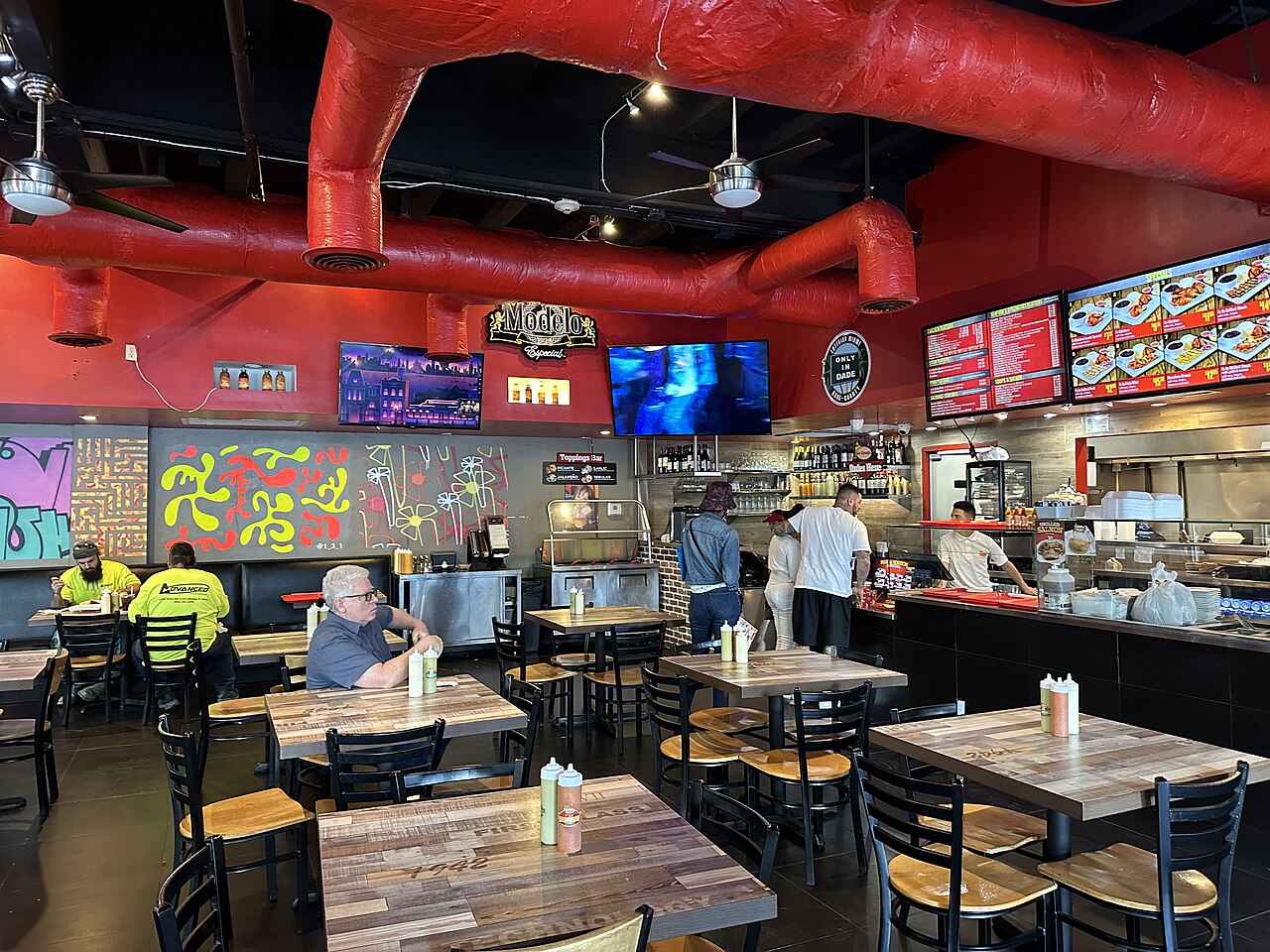
Miami's Restaurant Finance: The Capital Stack Behind the Hottest Tables
Behind Miami's celebrated dining scene lies a complex financial architecture. Understanding the blend of equity, debt, and operational realities is crucial for investors and operators navigating this unique market.
Miami's dining scene commands global attention, but the sizzling menus and coveted reservations belie an intricate, often opaque, financial architecture that underpins every plate served. Behind the polished facades of Brickell's high-rise eateries and the art-adorned walls of Wynwood's culinary hotspots lies a capital stack as carefully constructed as any commercial real estate development. This isn't just about a good chef and a prime location; it's about sophisticated financing navigating a market with unique pressures and unparalleled opportunities.
The Evolving Capital Stack: Beyond Conventional Loans
Gone are the days when a robust business plan and personal guarantees were sufficient to secure significant bank financing for a high-end restaurant concept. Miami's current landscape demands a more diversified approach. Initial build-out costs for a premium restaurant in submarkets like the Design District or South Beach can easily range from $750 to $1,200 per square foot, factoring in custom kitchens, sophisticated interior design, and specialized HVAC systems. This substantial upfront capital often necessitates a blend of equity from high-net-worth individuals, often sourced from Latin American family offices eager to deploy capital in a tangible, high-profile asset, alongside traditional debt. Venture capital firms are increasingly looking at scalable fast-casual or multi-unit concepts, but for independent fine dining, it's frequently a mix of owner-operator equity, angel investors, and sometimes even a mezzanine debt component to bridge gaps where traditional senior debt falls short. Lease terms in prime retail corridors, often five to ten years with renewal options, demand significant tenant improvement (TI) allowances, which themselves become a negotiation point in the broader financial plan. A savvy operator understands that securing a competitive TI package can substantially reduce the initial equity required for a build-out.
Operational Headwinds and Miami's Unique Multipliers
Once the doors open, the financial challenges shift from build-out to operational sustainability. Miami's hyper-competitive labor market, exacerbated by an affordability crisis for service-sector employees, drives up wage costs. This is particularly acute for skilled culinary and front-of-house staff, many of whom commute significant distances. Supply chain volatility, while a global issue, often feels amplified in an import-dependent market like South Florida, impacting food costs. Prime retail rents, averaging well over $100 per square foot in areas like Brickell City Centre or Lincoln Road, require exceptionally high revenue per cover to maintain healthy margins.
However, Miami also offers unique multipliers. The sheer volume of high-net-worth individuals, international tourists, and a strong local economy fuels a demand for experiential dining. Latin American patrons, long-time visitors and now residents, not only spend but often seek to invest in the very establishments they frequent, creating a cyclical flow of capital. This localized investment pool provides an alternative to more institutionalized funding sources, offering more flexibility but often demanding a deeper personal connection to the concept or operator. The "Miami premium" isn't just a marketing buzzword; it's a measurable increase in potential revenue, driven by discretionary spending and a culture that values dining out as entertainment and a status symbol.
Investor Appetites: Risk, Scalability, and Brand Equity
Investors in Miami's restaurant scene are not simply betting on a menu; they are evaluating a complex matrix of factors. Brand equity, particularly for concepts associated with renowned chefs or established hospitality groups, significantly de-risks the investment. Scalability is another critical consideration, even for what appear to be standalone fine-dining establishments. The potential to spin off a more casual concept, a catering arm, or even branded retail products can enhance long-term value. Exit strategies are rarely straightforward in the independent restaurant sector. While some successful concepts might be acquired by larger national hospitality groups or private equity firms seeking to consolidate market share, many rely on sustained operational profitability and the eventual sale to another independent operator. The due diligence for such transactions extends beyond financial statements to include intellectual property, key personnel contracts, and the inherent value of the brand in the local market. Understanding the true market cap rate for a restaurant business, factoring in lease terms, operational complexity, and brand cachet, is a nuanced exercise distinct from traditional real estate valuation.
Miami's vibrant restaurant landscape is more than just a culinary hotspot; it's a testament to sophisticated financial engineering and calculated risk-taking within a dynamic market. For operators and investors alike, success hinges on a granular understanding of the capital stack, the unique operational challenges, and the powerful, localized investment flows that define South Florida's hospitality sector. As the market matures, the ability to creatively structure deals, manage high overheads, and continuously innovate will remain the critical ingredients for financial sustainability and, ultimately, for securing a permanent table at Miami's economic feast.
